
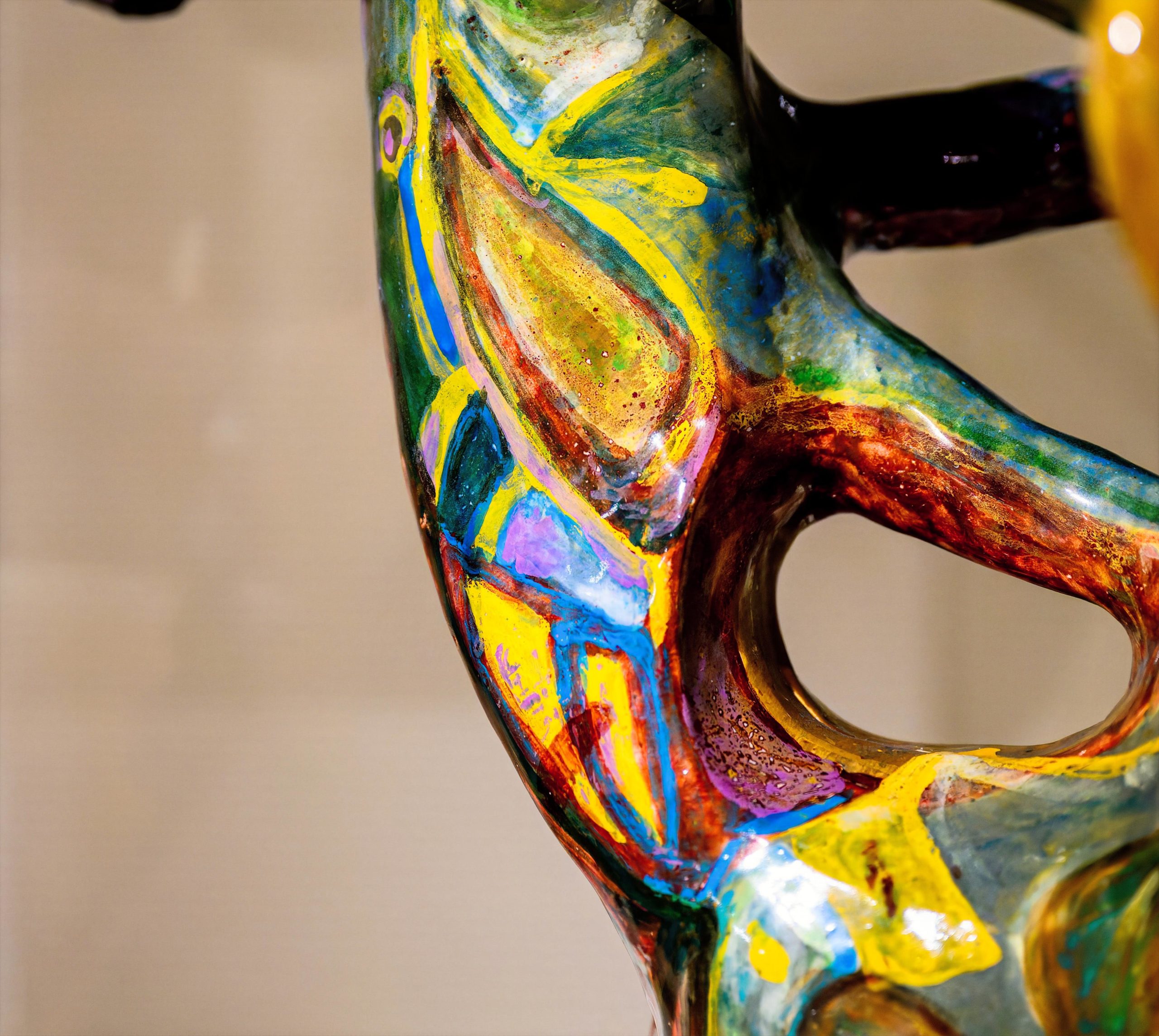
Of Gestures and Forms: A Dialogue Between Collections proposes a renewed encounter between the collections of the National Museum of Ancient Art (MNAA) and the National Museum of Contemporary Art (MNAC), which share a common origin in the former National Museum of Fine Arts. By decree, the collection was divided in 1911, giving rise to two museums devoted to distinct periods, languages and frameworks within the history of art.
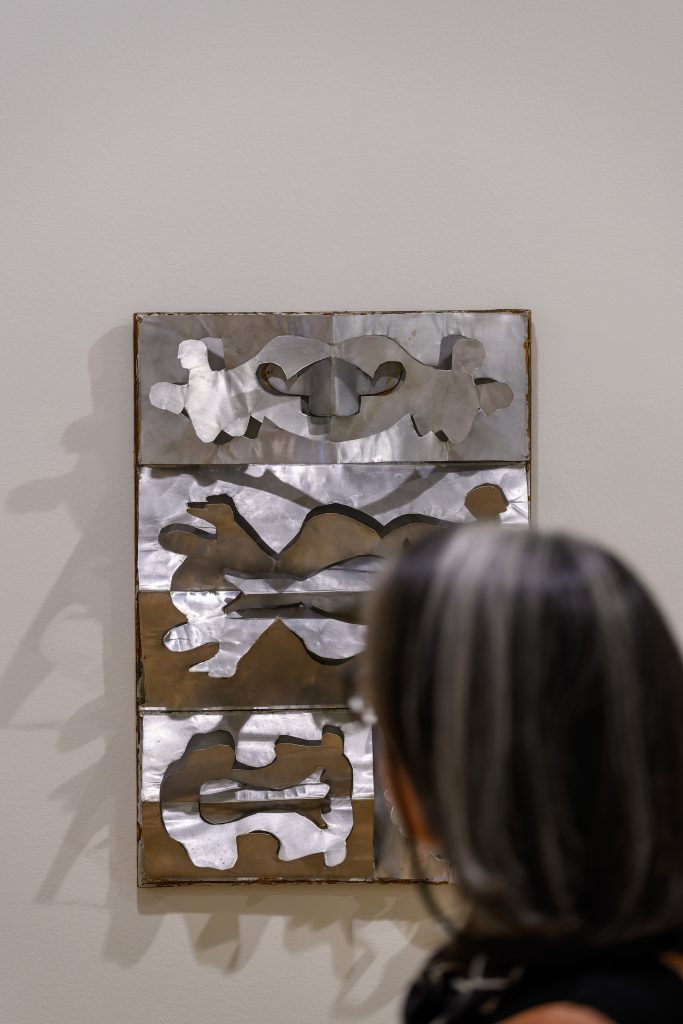
This exhibition seeks to reclaim that shared origin. Conceived collaboratively by the teams of both institutions, it brings into dialogue works from different centuries, creating relationships between artistic gestures, materials and ways of thinking about making across time. The exhibition unfolds through a series of thematic constellations — the body, time, ingenuity and matter — highlighting how artists have explored and transformed supports, pigments, textiles, metals, wood and stone to give form to ideas, respond to specific historical contexts, and articulate positions between continuity and rupture.
By integrating works from the Millennium bcp Collection, alongside a recent donation by Alberto Caetano, the exhibition expands this field of relationships, emphasising continuities, reinventions and tensions between past and present. Rather than separating periods, it folds them into one another, allowing forms and gestures to resonate across different temporalities.
Matter here emerges not simply as substance, but as a site of memory, experience and invention. Each work carries the trace of a gesture, each gesture a way of inhabiting time. The exhibition thus proposes a space of encounter in which time does not unfold linearly but is organised through sensitive and critical constellations — where the past persists in the present, and the present reconfigures what we take to be past.
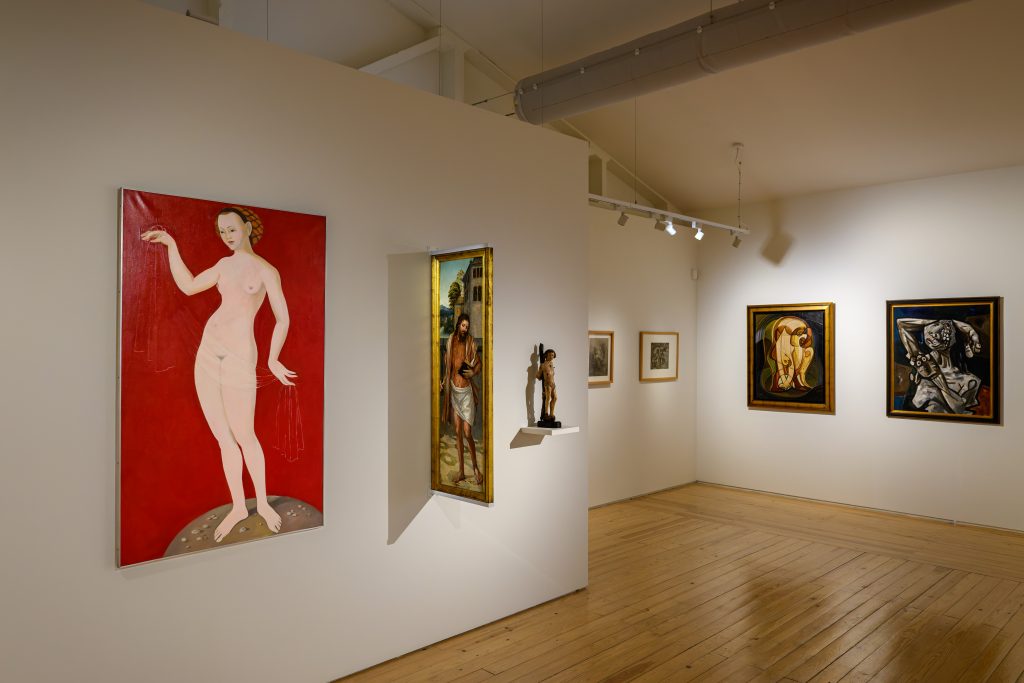
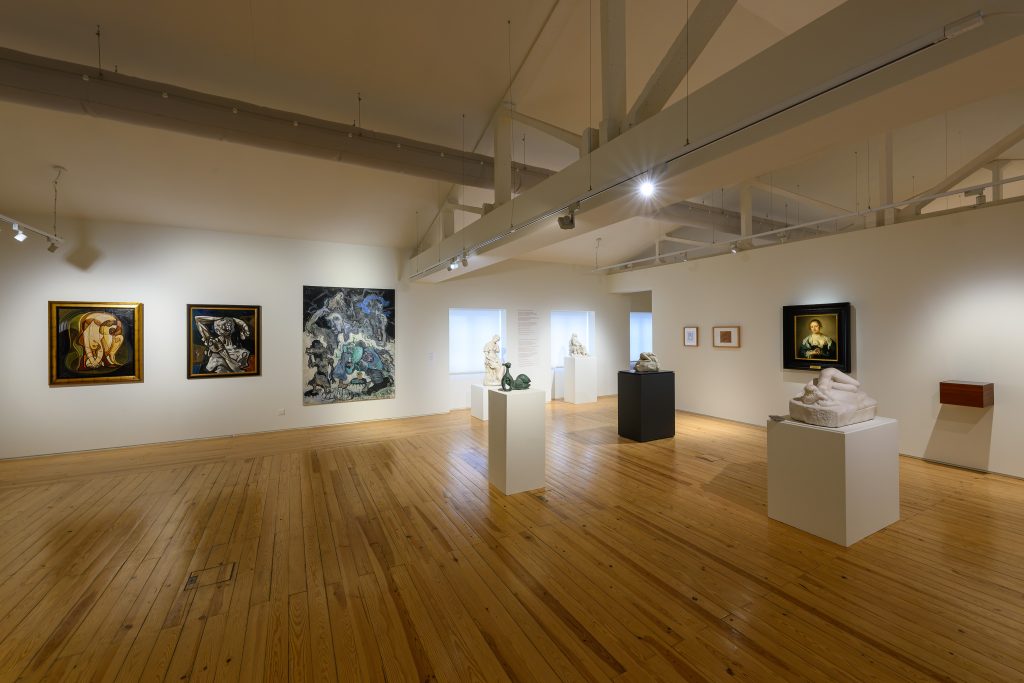
Flesh
The representation of flesh has long been a territory of experimentation, symbolic construction, and questioning between the sacred and the profane. As the central theme of this chapter, it invites reflection on human vulnerability, beauty and pain, desire and death, through works from different periods and contexts.
Time
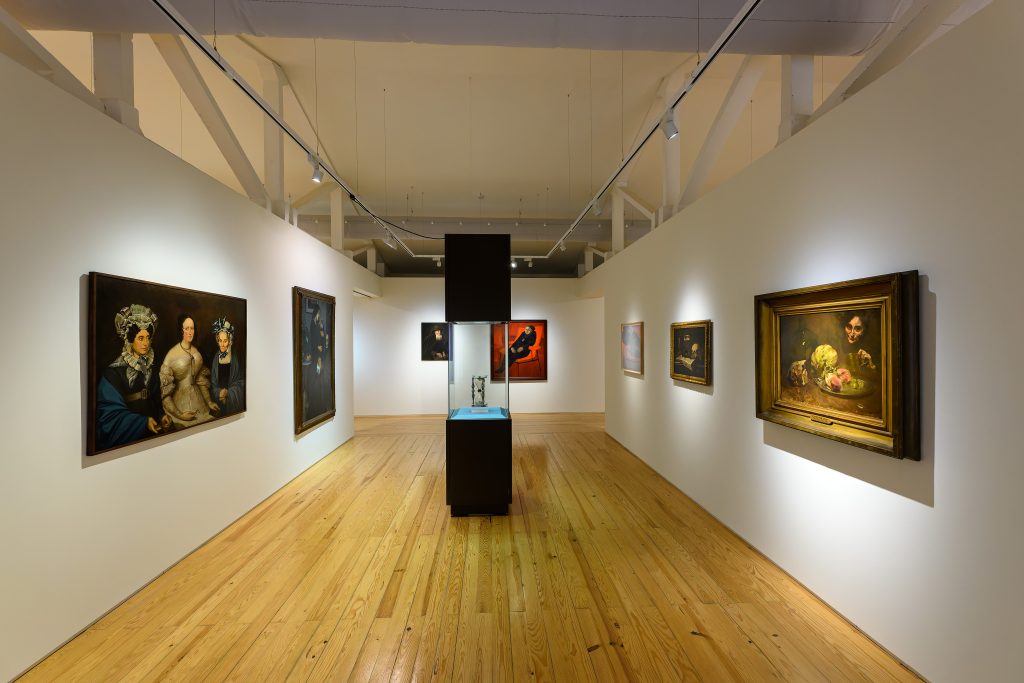
The need to define time becomes a complex task due to the breadth and diversity of concepts and perceptions articulated by both science and philosophy.
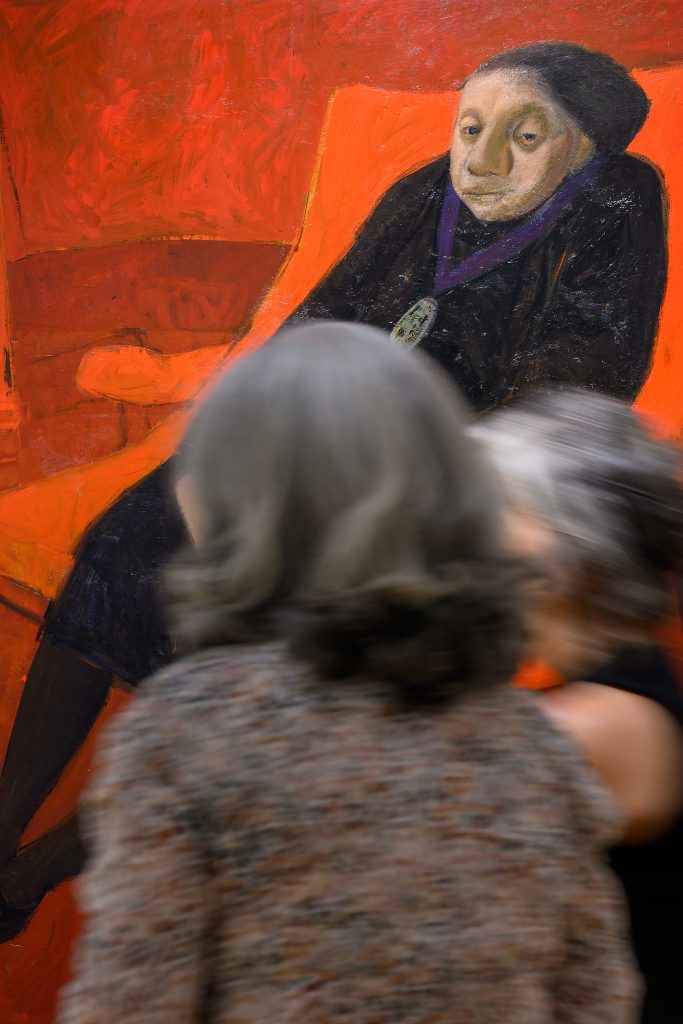
From the symbolism of the anonymous Vanitas to the painting of Columbano Bordalo Pinheiro, time is treated as unstable matter, between memory and finitude. This reflection extends to artists such as Eduardo Viana, António Carneiro, and Jorge Pinheiro, where aging and the passage of time become visible and perceptible.
Ingenuity
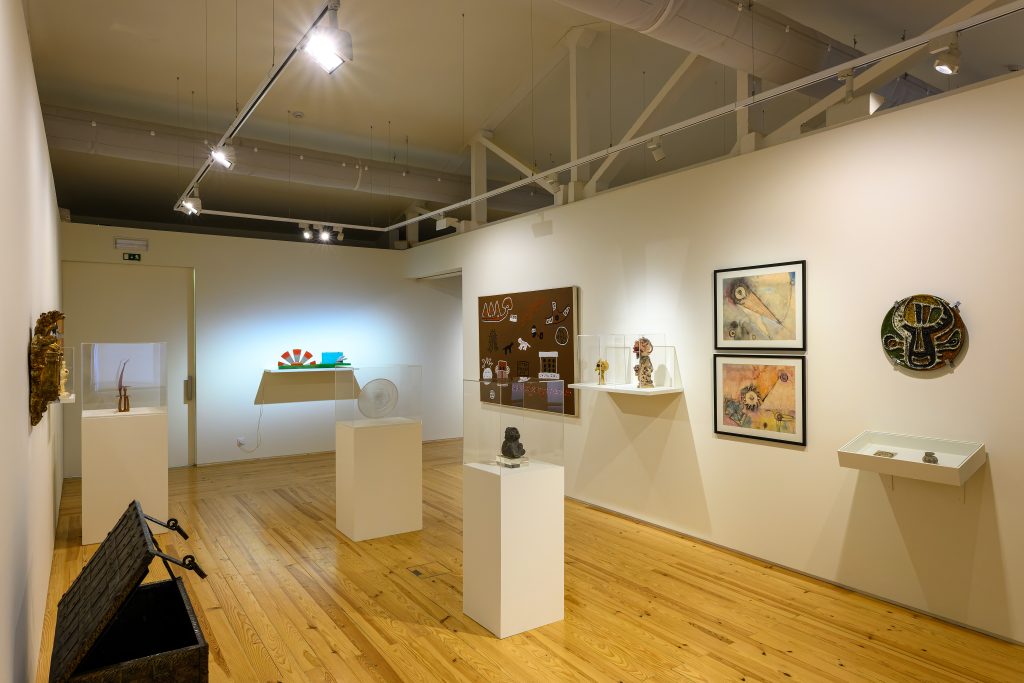
Fears and fantasies are exorcised in demons and protective figures, from the Americas to Barcelos, reminding us that human ingenuity has also extended to attempts to master what it cannot understand or control-through the invention of the monster and the invention of laughter.
Two unexpected pairings bring this section to a close, preserving its treasures: the Sacred Hearts of Jesus and Mary, side by side within a gilded carved mechanism-spirit made flesh and gold, a protective machine that leads us back to the beginning, to creation.
Material / Immaterial
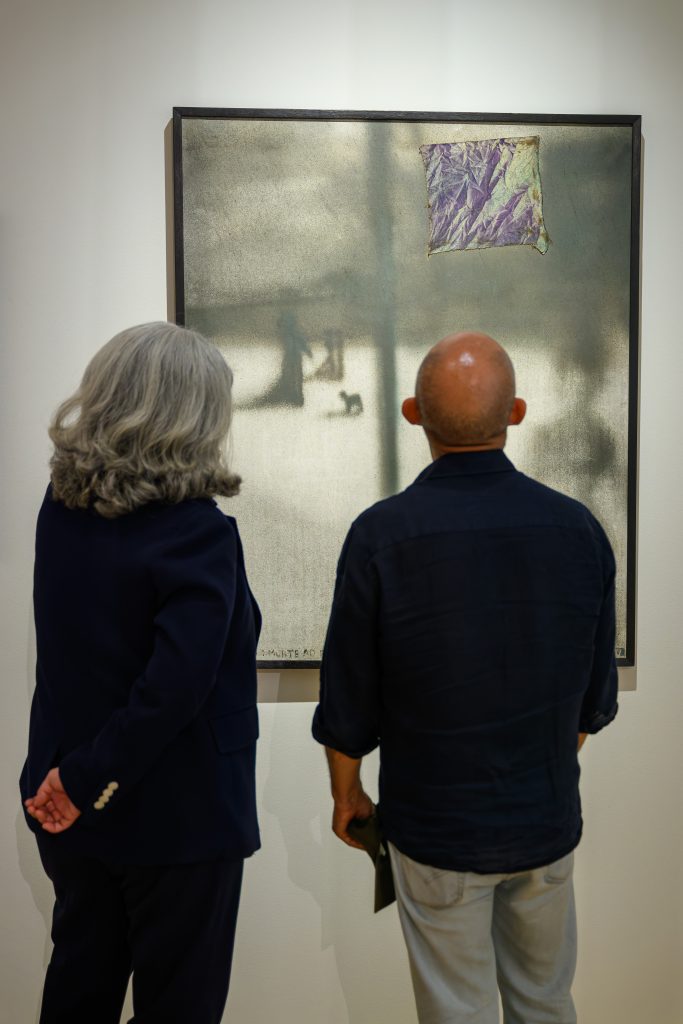
This final section explores the tension between presence and absence, following artists such as Fernando Lemos, Noronha da Costa, Vieira da Silva, Júlio Pomar, and António Dacosta. Here, matter dissolves and transforms into image, gesture, or memory, revealing the instability of the visible.
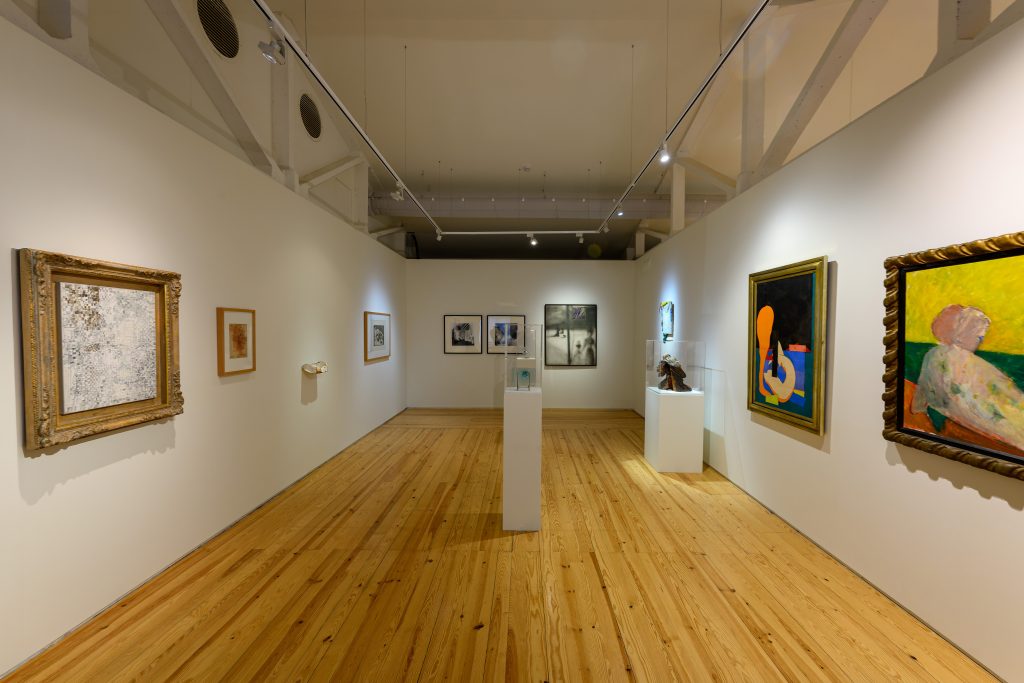
Of Gestures and Forms. A Dialogue Between Collections
Millennium bcp Gallery – National Museum of Contemporary Art – Chiado Museum
June 18 – September 20, 2026
