
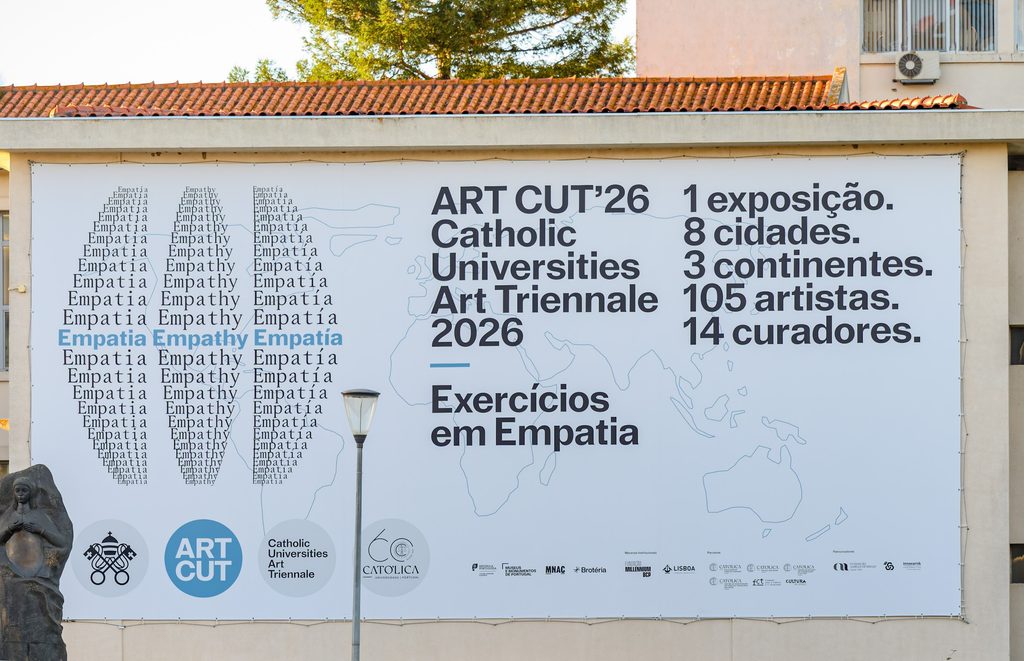
An exhibition, 104 artists, 14 curators, 8 cities, 3 continents, through which ideas of art, empathy, education, knowledge, the university, and, of course, the future circulate. A project driven by the conviction that artistic languages are a privileged means of establishing relationships, dialogues, and affinities beyond cultu-ral, linguistic, or political boundaries. Spreading across the world and bringing together artists who speak different languages, develop distinct poetics, and engage with diverse cultural practices is the embodiment of a conversation envisioned by His
Eminence Cardinal Tolentino de Mendonça. A conversation that takes shape in a vast exhibition described as a school of empathy. A school that, according to the Cardinal, invites “all forms of knowledge into an interdisciplinary conversation, bringing us closer to one another so that we may undertake together that demanding, patient, yet fascinating exercise which is, ultimately, mutual recognition.”
In Lisbon, the starting point is one of humanity’s oldest aspirations: to return home. But what does it mean to return when home no longer exists, when it has been abandoned, transformed, or forgotten? And what does it mean to return when we ourselves are no longer the same? Before being a building, a home is a way of inhabiting the world. It is a physical space, but also an inner geography. It inhabits us as much as we inhabit it.
Developed through a partnership between the Universidade Católica Portuguesa, the National Museum of Contemporary Art (MNAC), and Brotéria, the exhibition unfolds across three venues in the city, each offering a complementary perspective on the idea of home. At Católica, the artworks reflect on the materiality of the house and the spaces that make dwelling possible.
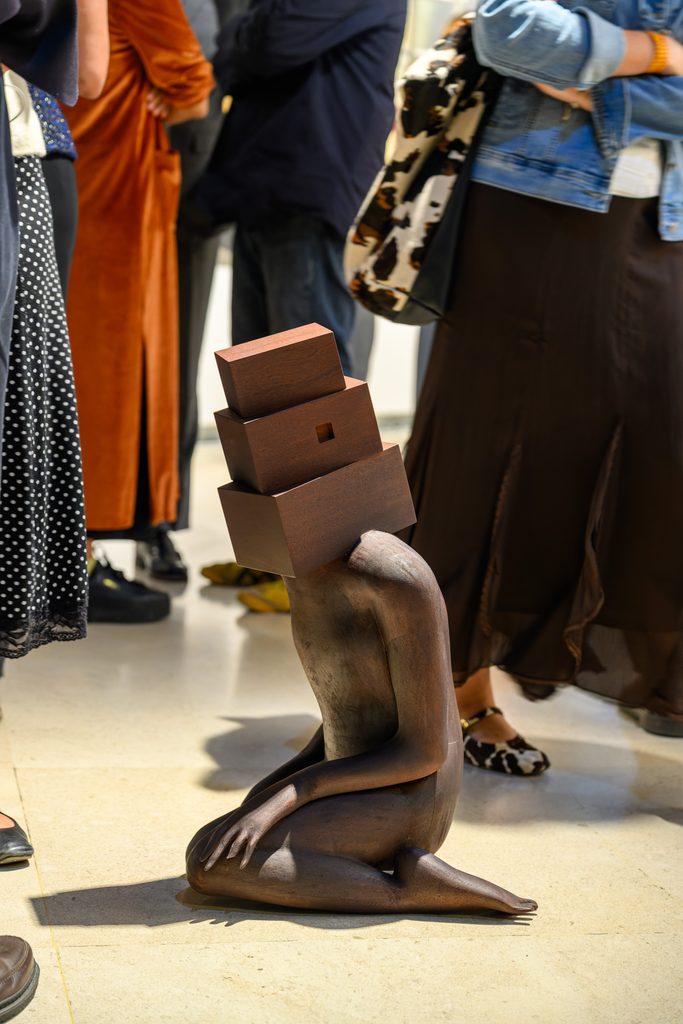
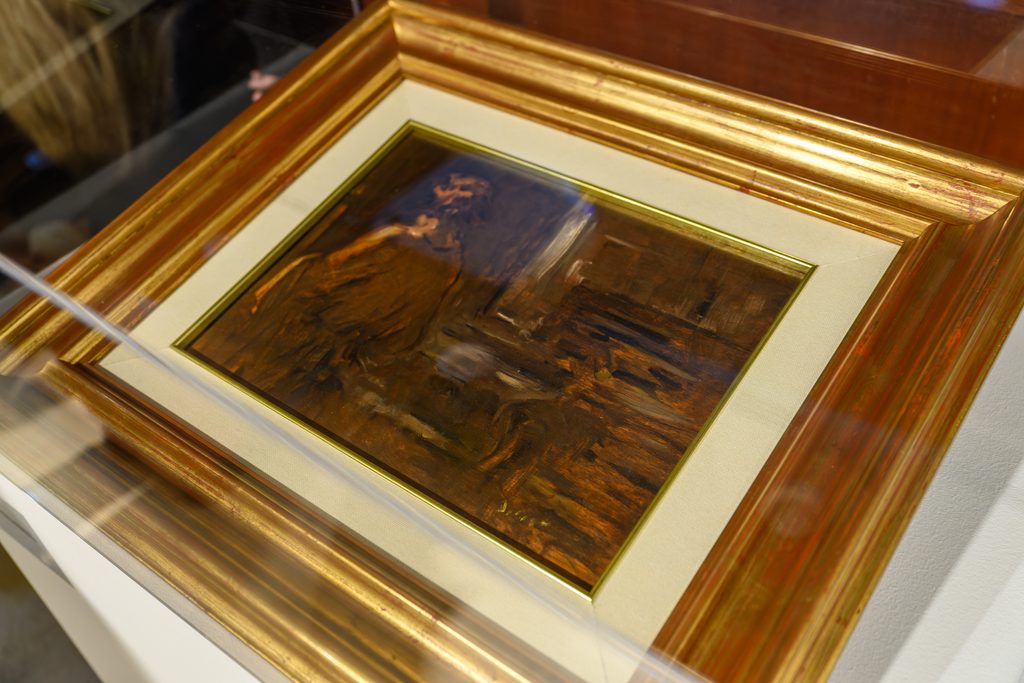
At MNAC [Millennium bcp Gallery], home emerges as a psychosomatic territory, where body, memory, and imagination intertwine.
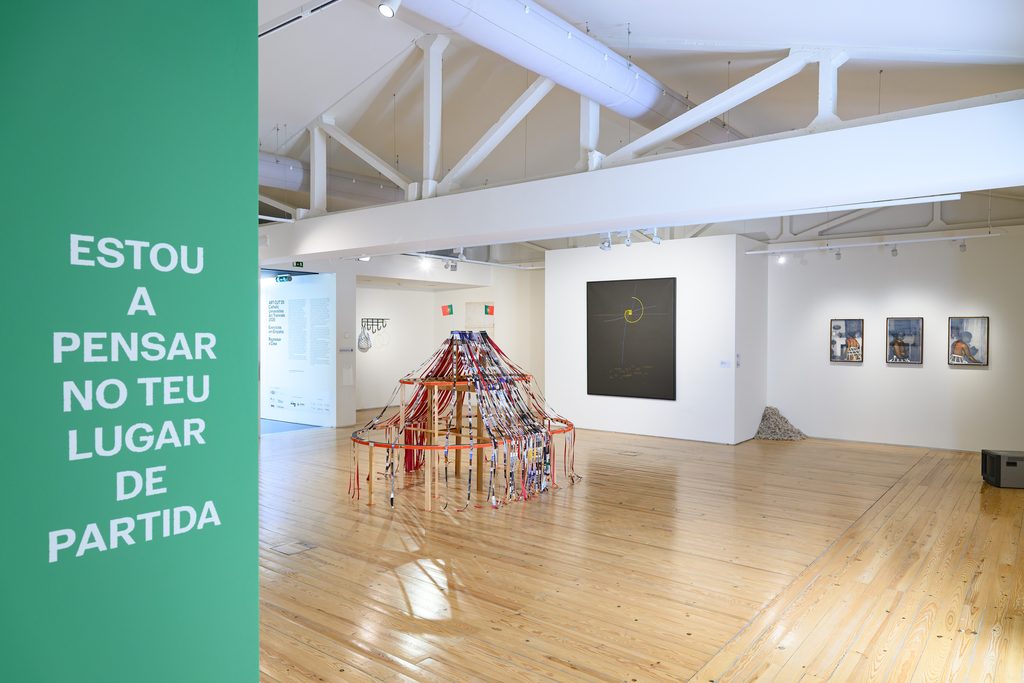
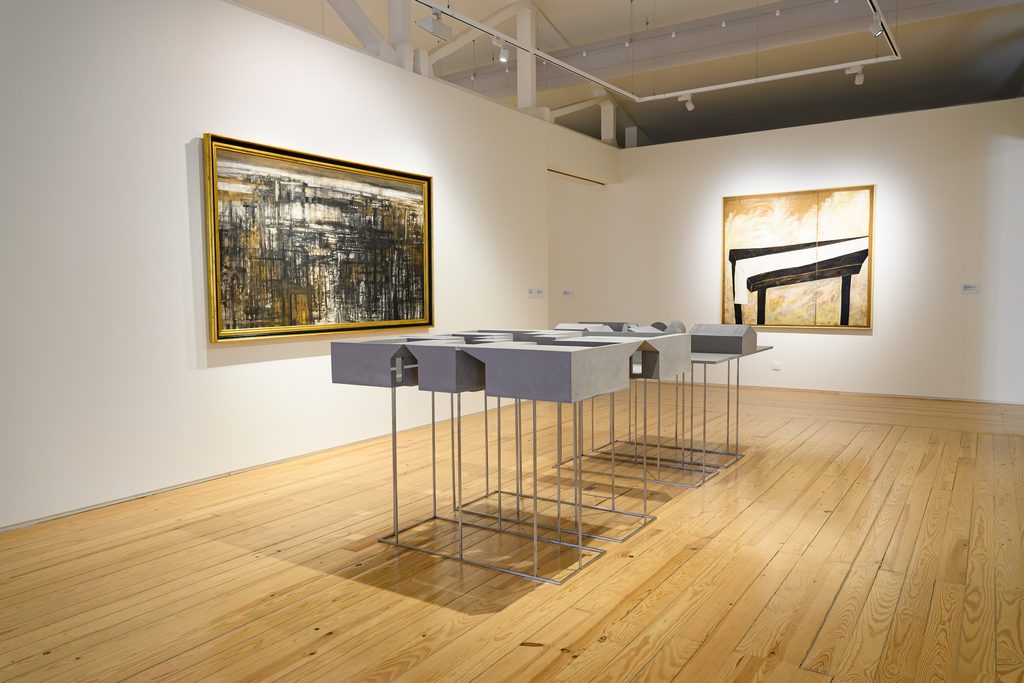
At Broteria, the reflection shifts towards nature and community, understanding belonging as a condition that precedes any form of construction.
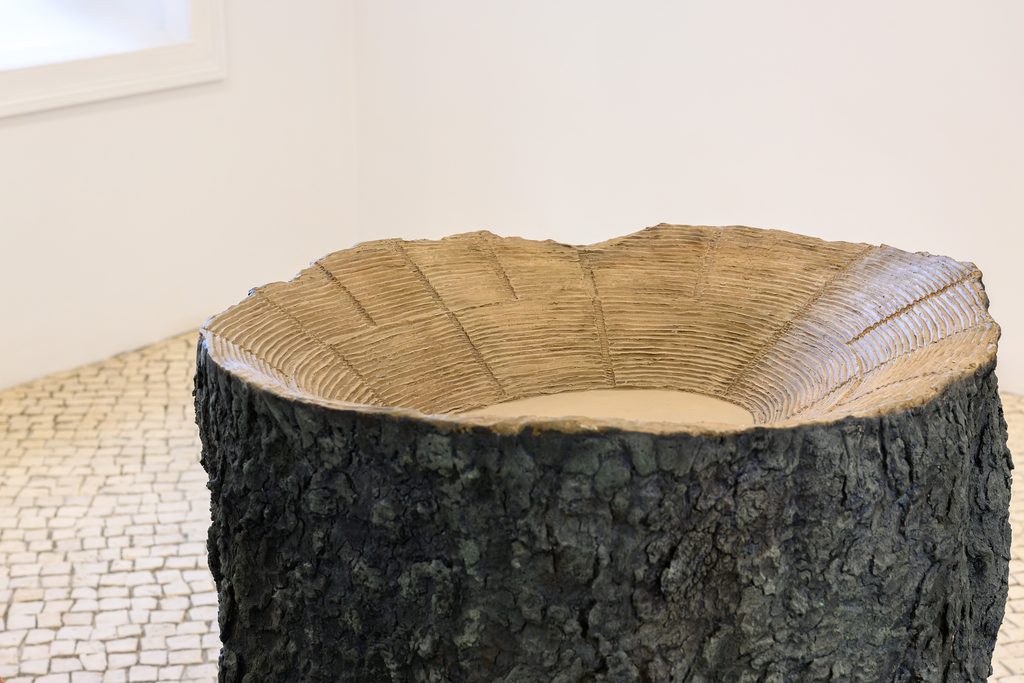
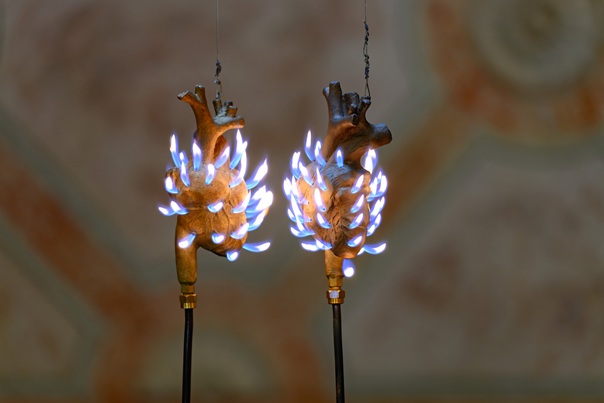
Perhaps returning home does not mean going back to a place of origin, but rediscovering that which, despite all transformations, continues to connect us to one another and to the world.
Nuno Crespo, Filipa Oliveira, João Sarmento S.j.
Curators
